Why Independence Matters in Early Childhood
Children who are trusted to try things for themselves develop a self-confidence that carries into all areas of learning. Every small success, be it pouring water or negotiating a turn on the swing, teaches your child that putting in the effort leads to something. This is why it’s good to instil independence skills in preschoolers early. Practical independence includes self-care and everyday tasks. The emotional independence of preschoolers is about tolerating frustration, recovering from setbacks, communicating healthy boundaries and choosing for themselves without always referring to an adult. Research on self-regulation links these capacities to later persistence and social competence. The Early Years Learning Framework places children’s agency and decision-making at the centre of quality practice. Montessori educators refer to it as ‘help me to do it myself’.When Should Children Start Developing Independence?
Readiness develops gradually over time and differs from child to child. Around three, most children manage simple self-care with support, such as washing hands and putting on shoes (though sometimes on the wrong feet). By four, many dress with minimal help, follow two-step instructions and begin solving small social problems. At five, planning ahead and managing belongings become realistic goals. Readiness shows up as interest (like reaching for a spoon), partial success (one arm into a sleeve) and enough tolerance for frustration to try again. If your child ends up in tears over a task, break it down into smaller, easier parts or wait several weeks.Practical Ways to Foster Independence in Preschool-Aged Children
Parents often want to know how to encourage independence in preschoolers without the day taking twice as long. These strategies work at home and in preschool:Encourage Self-Care Routines
Create an environment that supports their success. Having low hooks, a step stool at the basin, elastic-waist pants and Velcro shoes removes the barriers that make it necessary for your child to ask for help. Teach one part of a task at a time, such as pulling up pants before tackling buttons, and allow extra minutes in the morning.Let Children Make Simple Choices
Giving your child two options to choose from is plenty. ‘Green jumper or orange?’ will provide real autonomy without overwhelming the young decision-maker. Honour the choice, even when that orange jumper clashes with their outfit.Create Opportunities for Problem-Solving
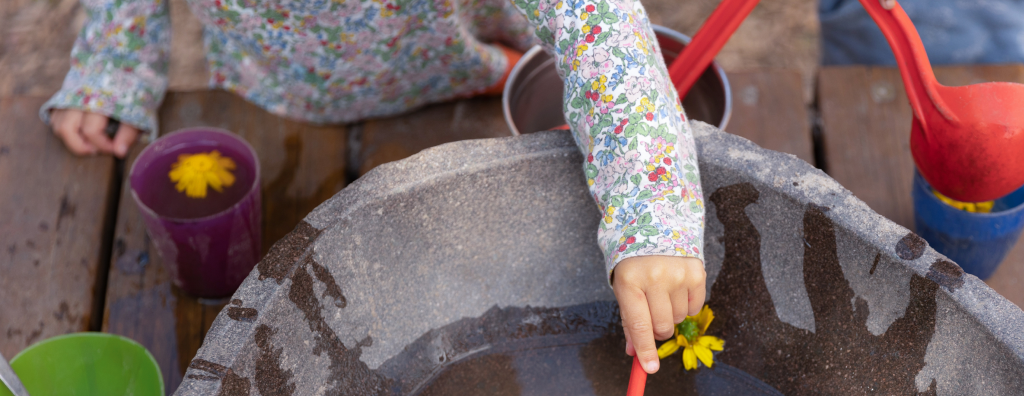
Resist solving for them. When a tower falls, or a puzzle piece won’t fit, ask ‘what could you try?’ and wait. Open-ended materials such as blocks, loose parts, ribbons and water play invite them to work it out by themselves. This is one of the benefits of play-based learning.Teach Responsibility Through Everyday Tasks
Preschoolers can water plants, set out cups, return toys to labelled tubs and carry their own lunchbox. Real jobs with visible results boost their pride better than receiving praise alone. Accept imperfect jobs as being finished.Establish Consistent Routines
The predictability of routines gives your child the freedom to act without needing to constantly ask. When the sequence of doing everyday things, such as washing hands before a meal or taking their cup back to the kitchen counter remains the same, your child can move through it on their own. Picture schedules help younger children and those still developing their language.How Play Supports Independence
Children rehearse being in charge through free play. They can choose the game, invent rules, assign roles and resolve disputes. Structured play, such as an obstacle course or cooking activity, lets them practice following steps and finishing a task. Self-correcting materials like shape sorters, colour tablets, threading beads and pouring sets let children fix their own mistakes without adult input. This explainer on play-based learning shows the difference between free and guided play.Building Confidence Without Taking Over
Overhelping is the most common obstacle to independence. So, try a gradual release: do the task together, then alongside the child, then watch from nearby, then step out of sight. Use language that hands over control, such as “you do the buttons, I’ll hold the jacket still.” Praise the effort rather than the outcome, and wait to be asked before helping.Common Challenges When Encouraging Independence
Resistance is a common reaction. If your child refuses to dress, they may be tired, hungry or testing limits, so offer a choice within the task and calmly hold the boundary. Safety considerations justify limits, so using the toaster is out, but a butter knife on soft fruit is fine. Frustration often peaks just before a skill clicks, so name the feeling and offer a short break. Your child can return to the activity later. If your child has regressed after a change at home (such as a new sibling), giving reassurance can help resolve this.The Role of Parents and Educators in Fostering Independence
Children progress fastest when expectations are applied consistently in different settings. Share what your child manages at home and ask what they’re practising at kindergarten so you can echo it. Coordinated strategies might include the same pack-up phrase or agreeing that both settings let your child carry their own bag.Signs Your Preschooler Is Becoming More Independent
Look out for these signs of independence in your child:- starting a familiar task without being asked
- managing most self-care with only a final check
- making a choice and sticking with it
- trying a second strategy after the first one fails
- asking for help with words instead of tears
- taking pride in a finished job, even if it’s imperfect
Final Steps for Encouraging Independence
Prepare the space, offer real choices, hand over tasks one step at a time and let frustration run its course. Keep home and preschool consistent and expect progress in waves. The goal of independence at preschool age is for the child to believe in their own capability. This is developed with one small, slightly messy success at a time. Our educators can talk through how this works in our rooms, so find your nearest Uniting service and feel free to ask.FAQs
How can preschoolers handle frustration when learning new independent skills?
Name the feeling and offer a brief pause. Then, break the task down into a smaller step they can finish. Small successes help rebuild your child’s motivation.
Are there risks in letting preschoolers try tasks alone? How can I manage them?
Activities may involve risks depending on the task, so match the activity to the child’s level of development, supervise closely, remove hazards, and choose child-safe tools. The aim isn’t unrestricted freedom but fostering independence in a safe environment.
Can independence skills differ between boys and girls?
Individual differences are more significant than any apparent gender patterns. Adult expectations can differ, though, so it’s best to offer the same tasks, tools, time and encouragement to every child.
How long does it typically take for a preschooler to develop new independence skills?
Anywhere from a few days to a few months. Dressing often takes weeks, while carrying a bag might click in a day. Staying consistent will shorten the timeframe.
Should independence be encouraged differently at home vs in preschool?
The principles remain the same. Preschool adds group routines and peer modelling, while home life gives one-on-one time and personal tasks. Having consistent expectations and language between the two helps.