If your child has a disability, developmental delay, or another support need, one pivotal question is likely on your mind. Will they truly belong? At quality kindergarten and childcare services, inclusive early learning pervades everyday practice. It’s not just a requested add-on. This guide explains what inclusion looks like and the funded support that’s available for families in Victoria. It also explains how to go about starting the conversation.
In this article:
- What inclusive practice means
- Inclusion day-to-day
- Formal support in Victorian settings
- Starting the conversation
- Signs of a truly inclusive centre
- Why inclusion benefits every child
- Frequently asked questions
What Is Inclusive Practice in Early Learning?
Inclusive practice in early childhood means that every child has the same opportunity to feel they belong as they play and learn. Adjustments are made where needed so nobody’s left behind or watching from the sidelines. In other words, the program adapts to the child, not the other way around.
A common misunderstanding is that inclusion in early childhood education applies only to children with a diagnosed disability. In reality, additional needs can include developmental delay, complex medical conditions, language barriers for families new to English, or temporary support needs after illness or a change at home. Our educators see every child as a capable learner and plan for the individual children in their care. We support and adhere to the Victorian Early Years Learning and Development Framework.
What Does Inclusive Practice Actually Look Like Day-to-Day?
Policy language often doesn’t help parents visualise what actually happens in the room. These are the things you’d expect to see.
Adapted Activities and Flexible Routines
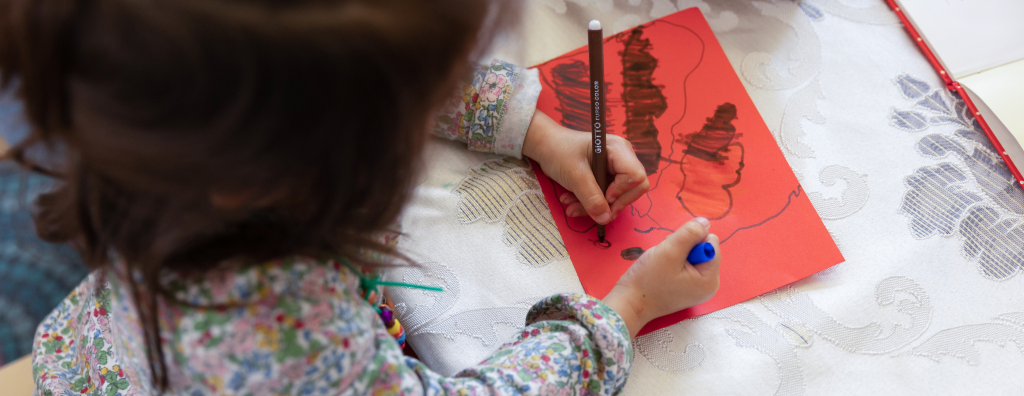
Educators change equipment, pacing or sensory input so a child can join in at their own level. For a painting activity, a child working on grip might be offered thicker brushes and a stable easel. Group time might include a wobble cushion and a shorter stretch of time on the mat. Routines are also flexible, with schedule cues such as extra warning before transitions.
Individual Learning Plans and Goal-Setting
Where a child needs targeted support, educators work with families (and specialists such as speech pathologists or occupational therapists) to set a small number of practical goals. Educators observe progress through everyday play and review it together so goals stay relevant.
Peer Connection and Belonging
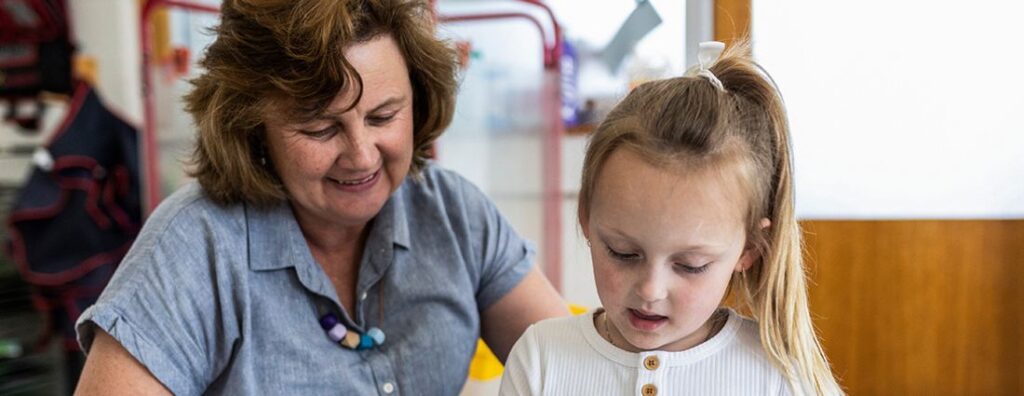
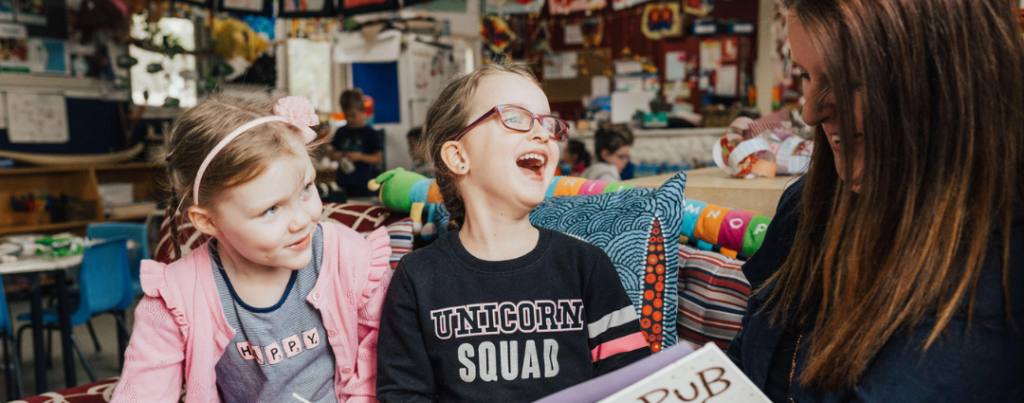
Being present in the room is different from being a part of it. Educators deliberately help build friendships by pairing children for tasks, teaching peers how to invite someone into play and celebrating each child’s contribution. The goal is for the child to be missed when they’re absent.
Formal Support Available in Victorian Early Learning Environments
Beyond everyday inclusive teaching, Victorian families can access funded specialist support through two main pathways.
Kindergarten Inclusion Support (KIS)
Kindergarten Inclusion Support in Victoria is a State Government program designed for children with a disability, developmental delay or complex medical needs. It gives funded kindergartens access to specialist consultants, staff training, specialised equipment and funding for extra assistant hours. Eligibility is assessed, and Uniting is a major provider of the program. Get to know more about the KIS program at Uniting.
Preschool Field Officer (PSFO) Program
The Preschool Field Officer program is a free, government-funded service supporting children with additional needs in 3- and 4-year-old kindergarten. Field officers advise on behaviour, communication, social interaction, play and learning. It’s important to note that referrals come from the kindergarten teacher, with parental consent, rather than directly from families.
How Parents Can Start the Conversation About Additional Needs
Addressing additional needs early on encourages better support rather than judgement or exclusion. Centres expect and welcome these open, honest conversations. Start by talking with your child’s educator or centre director. Share what you notice at home, be it a speech delay, difficulty with change or a medical routine. Ask what support the centre can access. You can expect a collaborative response.
What to Expect After You Raise a Concern
Usually, educators begin by observing your child during everyday activities, then talk with you about what they’ve seen. Where appropriate, a referral to a support program will follow. Timelines and outcomes vary by centre and child, so anticipate steady communication, but not a fixed schedule.
Signs of a Truly Inclusive Early Learning Centre
When choosing a centre, watch for staff who speak about how they work with each child’s individual needs. You’ll also want to see individual learning plans that are openly discussed with families, accessible spaces with calmer sensory areas, a willingness to talk through funded support programs, and clear evidence that families are treated as partners. Educators in a truly inclusive centre will also be comfortable describing how they’ve supported children with additional needs at kindergarten before.
Why Inclusive Practice Benefits Every Child
Inclusive rooms build empathy, patience and social skills for every child in the group, including those who never need additional support. When a child who communicates with pictures joins a game, peers learn to slow down and check in. When a classmate uses a walking frame, others learn to make space without fuss. These foundational habits show the benefits of play-based learning at their best, and they last well into the future.
How Uniting Early Learning Supports Inclusion
At Uniting Early Learning, our educators are experienced in supporting children with additional needs across our childcare and kindergarten services. Many of our centres access KIS and make PSFO referrals as part of everyday practice. Our educators partner with families right from the start. Support varies by location, so ask what your local centre can offer. Our guide on preparing your child for kindergarten is a good companion piece to read.
FAQs
What counts as an ‘additional need’ in early learning?
Any circumstance where a child benefits from adjustments in order to fully participate. This includes disability, developmental delay, complex medical needs, language barriers and temporary support needs. A diagnosis isn’t required to begin the conversation.
Does inclusion support cost extra for families?
Everyday inclusive practice is part of the program, and both KIS and the Preschool Field Officer Program are government-funded, so eligible families don’t pay extra for these supports. Your centre can explain what applies to your child.
Who refers a child to the Preschool Field Officer program?
The kindergarten teacher makes the referral, with your consent. If you have concerns, raise them with the teacher and ask if a referral is appropriate.
What is the difference between KIS and PSFO?
KIS provides funded resources such as specialist consultants, training, equipment and additional assistant hours for children with assessed needs. The PSFO Program offers free advisory support to teachers and families without funding extra staff. Some children access both.
Talk to Your Local Uniting Early Learning Centre About Inclusive Support
All children deserve to belong, and inclusive early learning makes this possible. If you’d like to talk through your child’s needs, contact your local Uniting Early Learning centre to talk through our kindergarten and childcare options. Our educators are here to listen, discuss the support available and work alongside you every step of the way.